
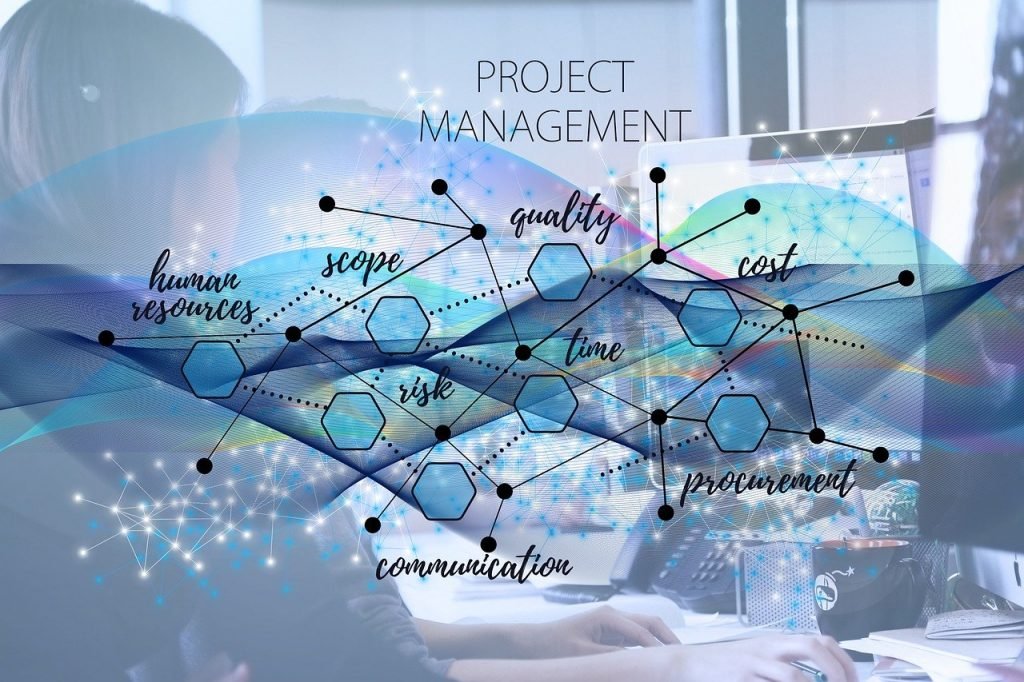
Introduction
In the dynamic landscape of business and industry, the journey from a mere concept to a triumphant completion is nothing short of remarkable. It’s a journey that requires vision, strategy, and, most importantly, a well-executed plan. Welcome to our blog, where we embark on a voyage through the intricacies of project management, exploring the path from concept to completion.
Project management is the lifeblood of innovation and progress. It’s the force that transforms a visionary idea into a tangible reality, ensuring that goals are met, resources are optimized, and deadlines are conquered. This journey takes us through a series of carefully orchestrated phases, each playing a crucial role in the project’s evolution.
Join us as we delve into the five pivotal phases of project management: initiation, planning, execution, monitoring and controlling, and closing. In each phase, we’ll unravel the intricacies, best practices, and key principles that drive success.
Whether you’re a seasoned project manager seeking to refine your skills or someone new to the world of project management, this blog is your compass for navigating the challenging terrain of project execution. Together, we’ll discover the art and science of transforming concepts into accomplishments, paving the way for innovation and progress in a constantly evolving world. So, fasten your seatbelts as we embark on this transformative journey—from concept to completion.
The five phases of project management
Initiation: In this phase, the project’s goals, objectives, scope, and feasibility are defined. A project charter is often created to outline the project’s purpose and initial requirements.
Initiation is the first phase or stage of the project lifecycle. It is the period during which the project is defined, authorized, and officially launched. The primary purpose of the initiation phase is to lay the foundation for the project’s success by clarifying its objectives, scope, stakeholders, and initial planning.
Key activities during the initiation phase typically include:
Project Charter: The creation of a project charter, which is a formal document that authorizes the project’s existence, outlines its objectives, identifies the project manager, and establishes high-level expectations.
Stakeholder Identification: Identifying and engaging with key stakeholders who have an interest or influence in the project. This includes understanding their needs and expectations.
Initial Scope Definition: Defining the project’s scope, which outlines what will be included and excluded from the project. It sets boundaries and provides a clear understanding of what the project aims to achieve.
Feasibility Assessment: Conducting a feasibility study to determine if the project is viable, considering factors like budget, resources, technology, and legal constraints.
Project Team Selection: Identifying and assembling the project team members, including any subject matter experts or consultants required for the project.
Risk Identification: Identifying potential risks that could affect the project’s success and documenting them for further analysis and mitigation planning.
High-Level Project Planning: Creating an initial project plan that outlines the project’s major milestones, timelines, and high-level resource requirements.
Approval: Obtaining formal approval or authorization from the project sponsor or relevant stakeholders to proceed with the project.
Once the initiation phase is complete and the project has been authorized, it moves into the planning phase, where more detailed planning and preparation occur. The initiation phase is critical because it ensures that all stakeholders have a common understanding of the project’s purpose and goals before significant resources are committed.
Planning: This phase involves creating a comprehensive project plan, which includes defining tasks, timelines, resources, and budgets. Project managers develop a roadmap to guide the project through its lifecycle.
Planning is one of the fundamental phases in the project lifecycle. It follows the initiation phase and precedes the execution phase. The planning phase is a crucial step where project managers and teams develop a comprehensive project plan that outlines how the project will be executed, monitored, and controlled from start to finish.
Key activities during the planning phase typically include:
Scope Definition: Further refining the project scope, including specific deliverables, objectives, and constraints. This ensures that everyone has a clear understanding of what the project will and will not include.
Work Breakdown Structure (WBS): Creating a structured breakdown of the project into smaller, manageable tasks and work packages. The WBS serves as a basis for project scheduling and resource allocation.
Scheduling: Developing a detailed project schedule that includes task dependencies, timelines, milestones, and critical path analysis. This helps in sequencing project activities effectively.
Resource Allocation: Identifying and allocating the necessary resources, including human resources, equipment, materials, and budget, to execute the project successfully.
Risk Management: Conducting a comprehensive risk assessment, identifying potential risks, and developing risk mitigation strategies and contingency plans.
Quality Planning: Defining the quality standards and processes that will be used to ensure that project deliverables meet the required quality criteria.
Communication Plan: Establishing a communication plan that outlines how project information will be shared among team members, stakeholders, and sponsors.
Cost Estimation and Budgeting: Estimating the project’s costs and creating a budget to manage expenses throughout the project’s life.
Procurement Planning: Identifying any external goods or services that need to be procured for the project, and creating a procurement plan to manage vendor relationships.
Stakeholder Management: Developing a stakeholder engagement plan that outlines how stakeholders will be involved, informed, and managed throughout the project.
Change Management: Developing strategies and processes to handle changes that may arise during the project, ensuring that they are assessed, approved, and effectively implemented.
The planning phase is essential for setting the project’s direction, defining roles and responsibilities, and providing a detailed roadmap for the project’s successful execution. A well-crafted project plan serves as a guide for project teams, helping them work efficiently and effectively towards achieving project objectives.
Execution: During the execution phase, the project plan is put into action. Team members complete tasks, and project managers oversee the implementation, ensuring that the project stays on track and aligns with the plan.
Execution is one of the key phases in the project lifecycle, following the initiation and planning phases. The execution phase is where the project plan developed during the planning phase is put into action. It involves the actual implementation of project activities, tasks, and processes to achieve the project’s objectives and deliver its intended outcomes.
Key characteristics and activities during the execution phase typically include:
Task Implementation: Executing the tasks and activities outlined in the project plan. This includes coordinating team members, assigning responsibilities, and ensuring that work is progressing according to schedule.
Resource Management: Managing and allocating resources, including human resources, equipment, materials, and budget, to support the execution of project activities.
Communication: Maintaining effective communication within the project team, as well as with stakeholders and sponsors. This ensures that everyone is informed about project progress and any changes or issues that may arise.
Quality Assurance: Implementing the quality standards and processes defined in the project plan to ensure that project deliverables meet the required quality criteria.
Risk Management: Continuously monitoring and managing project risks, implementing risk mitigation strategies, and addressing issues as they arise.
Change Control: Managing changes to the project scope, schedule, or requirements, following established change control procedures.
Procurement Management: If applicable, managing vendor relationships, monitoring supplier performance, and ensuring that goods or services are delivered as per contract agreements.
Performance Monitoring: Monitoring project performance metrics, including progress against the project schedule, budget, and quality standards.
Issue Resolution: Identifying and addressing project issues or deviations from the plan promptly to prevent them from becoming major roadblocks.
Documentation: Maintaining accurate and up-to-date project documentation, including progress reports, meeting minutes, and any changes to project scope or requirements.
The execution phase is where the bulk of the project work takes place, and it requires careful coordination, management, and leadership to ensure that the project stays on track and aligns with its objectives. Effective execution is essential for delivering project results on time, within budget, and with the expected quality.
Monitoring and Controlling: This phase involves tracking the project’s progress, comparing it to the project plan, and making necessary adjustments. It includes quality control, risk management, and performance monitoring to ensure the project stays within scope, time, and budget constraints.
Monitoring and controlling is one of the essential phases in the project lifecycle, following the initiation, planning, and execution phases. This phase is focused on tracking and overseeing project performance, ensuring that the project stays on course, and taking corrective actions when necessary to meet project objectives.
Key activities and components of the monitoring and controlling phase include:
Performance Measurement: Continuously measuring and assessing project performance against key performance indicators (KPIs) and project metrics established during the planning phase.
Quality Control: Ongoing assessment of the quality of project deliverables and processes to ensure they meet the defined quality standards.
Scope Management: Managing changes to the project scope, assessing their impact on the project, and ensuring that scope changes are properly documented and approved.
Schedule Management: Monitoring project progress against the project schedule, identifying deviations, and taking corrective actions to keep the project on track.
Cost Control: Tracking project expenditures and comparing them to the budget, identifying cost variances, and implementing cost control measures as needed.
Risk Management: Continuously monitoring and managing project risks, evaluating their impact on the project, and implementing risk response strategies.
Issue Resolution: Addressing project issues promptly and effectively to prevent them from negatively impacting project progress.
Change Control: Managing and controlling changes to project requirements, scope, or schedule, ensuring that changes are properly evaluated and approved.
Communication Management: Maintaining effective communication within the project team, as well as with stakeholders and sponsors, to keep them informed about project status, changes, and issues.
Documentation Management: Keeping project documentation up-to-date, including project plans, progress reports, meeting minutes, and change requests.
Stakeholder Engagement: Managing stakeholder expectations and ensuring that their needs and concerns are addressed throughout the project.
The monitoring and controlling phase plays a crucial role in project management by providing real-time visibility into project performance, enabling project managers to make informed decisions, and ensuring that the project stays aligned with its objectives. It allows project teams to proactively address issues and risks, ultimately leading to the successful completion of the project.
Closing: The closing phase marks the completion of the project. It involves finalizing all project activities, delivering the project’s outcomes, obtaining approvals and feedback, and archiving project documentation. A post-project review or lessons learned session may also be conducted to capture insights for future projects.
Closing refers to the final phase of the project lifecycle, following the initiation, planning, execution, and monitoring and controlling phases. The closing phase involves formally completing the project, ensuring that all project objectives have been met, and bringing the project to a controlled and orderly conclusion.
Key activities and components of the closing phase include:
Final Deliverables: Verifying that all project deliverables have been completed as per the project scope and quality standards.
Customer or Stakeholder Acceptance: Obtaining formal acceptance from the project’s customer or stakeholders to confirm that they are satisfied with the project’s results.
Contract Closure: If applicable, closing out any contracts, agreements, or procurement activities related to the project.
Financial Closure: Reviewing and reconciling the project’s financial records, including budget expenditures, expenses, and any outstanding payments or invoices.
Lessons Learned: Conducting a project review or post-implementation review to identify what went well, what didn’t, and what lessons can be learned for future projects.
Documentation and Records: Ensuring that all project documentation, records, and files are properly archived and organized for future reference.
Resource Release: Releasing project team members and resources, such as equipment or facilities, from project-related duties and responsibilities.
Celebration and Recognition: Recognizing and celebrating the efforts and achievements of the project team and stakeholders.
Formal Closure: Preparing and distributing formal project closure reports, including final project status reports and recommendations for follow-up actions.
Project Sign-Off: Obtaining formal project closure approval and sign-off from relevant stakeholders and sponsors
The closing phase is essential to ensure that the project is concluded in an organized manner and that all project-related activities are completed satisfactorily. It provides an opportunity to capture lessons learned and best practices for future projects and formally transition project outcomes to the operational phase, if applicable. Successful project closure is a crucial step in the overall project management process.
Highlighted below are typical situations
Case #1.
Let’s create a hypothetical project management plan for a marketing campaign project. The plan will define the project’s objectives, goals, and desired outcomes to ensure all stakeholders have a shared understanding of the project’s aims.
Project Title: Digital Marketing Campaign – Product Launch
Project Objectives: The primary objective of this project is to execute a successful digital marketing campaign to promote the launch of a new product.
Specific objectives include:
Generate brand awareness for the new product.
Drive website traffic and increase engagement.
Generate leads and grow the email subscriber list.
Convert leads into product purchases.
Measure and analyze campaign performance.
Project Goals: To achieve the project objectives, the following goals have been set:
Achieve a minimum of 1 million impressions on digital advertising.
Increase website traffic by 50% during the campaign period.
Capture 10,000 new email subscribers.
Achieve a conversion rate of at least 5% from leads to product purchases.
Analyze campaign metrics and adjust strategies as needed.
Desired Outcomes: The desired outcomes of this project include:
Successful product launch with positive brand recognition.
Increased website traffic and engagement.
A significant growth in the email subscriber list for future marketing efforts.
A substantial increase in product sales.
Insights from campaign performance data to inform future marketing strategies.
Project Scope: The project scope includes the following key components:
Development of digital marketing materials, including ads, landing pages, and email campaigns.
Launching and managing digital advertising on various platforms (e.g., Google Ads, Facebook Ads).
Creating and executing a content marketing plan to engage the audience.
Implementing lead capture and email marketing automation.
Monitoring campaign performance and making data-driven adjustments.
Conducting a post-campaign analysis to assess the project’s success.
Project Deliverables:
Digital marketing materials, including ad creatives, landing pages, and email templates.
Active digital advertising campaigns on multiple platforms.
A content marketing calendar and executed content pieces.
Captured leads and automated email marketing sequences.
Regular campaign performance reports.
Post-campaign analysis report with insights and recommendations.
Project Stakeholders:
Project Sponsor: [Name]
Project Manager: [Name]
Marketing Team: [List of Team Members]
Creative Team: [List of Team Members]
Digital Advertising Agency: [Agency Name]
IT Support Team: [List of Team Members]
Project Timeline:
Project Start Date: [Insert Date]
Project End Date: [Insert Date]
Total Duration: [Number] weeks
Budget:
Total Project Budget: $/£[Budget Amount]
This project management plan establishes clear objectives, goals, and desired outcomes for the digital marketing campaign, ensuring that all stakeholders have a shared understanding of the project’s aims. Effective communication and collaboration among team members will be essential to achieving the project’s success.
Case #2.
A detailed project management plan is essential for the successful execution of any project. Below is an example of a project management plan for a hypothetical project about implementing a new Customer Relationship Management (CRM) System.
Project Title: Implementing a New Customer Relationship Management (CRM) System
Project Scope: The project aims to implement a new CRM system to streamline customer data management, improve communication, and enhance customer service.
The scope includes:
Selecting and purchasing the CRM software.
Customizing the CRM software to meet the specific needs of the organization.
Data migration from the existing system to the new CRM.
Employee training on using the new CRM.
Ongoing support and maintenance of the CRM.
Project Tasks and Deliverables:
Project Initiation Phase (Week 1-2):
Define project objectives and scope.
Appoint project manager and assemble the project team.
Create a project charter.
Identify stakeholders.
Deliverable: Project charter signed by stakeholders.
Planning Phase (Week 3-6):
Identify CRM software options and evaluate them.
Select CRM software vendor.
Develop a project plan, including tasks, timelines, and resource allocation.
Create a budget.
Deliverable: Project plan with detailed timelines and budget.
Execution Phase (Week 7-16):
Purchase and install CRM software.
Customize CRM software to match organizational processes.
Conduct data mapping and migration.
Develop training materials.
Train employees on using the CRM.
Deliverable: Installed CRM, migrated data, and trained employees.
Monitoring and Controlling Phase (Week 17-20):
Monitor project progress.
Track budget and expenses.
Address any issues or risks.
Ensure quality control.
Deliverable: Regular progress reports and issue logs.
Closing Phase (Week 21-22):
Verify that all project objectives are met.
Get formal approval from stakeholders.
Transition to the support and maintenance phase.
Conduct a post-implementation review.
Deliverable: Project closure report and lessons learned document.
Timelines:
Project Start Date: [Insert Date]
Project End Date: [Insert Date]
Total Duration: 22 weeks
Resources:
Project Manager: [Name]
Project Team: [List of Team Members]
CRM Software Vendor: [Vendor Name]
Budget: $[Budget Amount]
Dependencies:
Selection of CRM software vendor is dependent on the completion of the evaluation phase.
Training of employees is dependent on the completion of CRM customization and data migration.
Project closure is dependent on the successful verification of project objectives.
This project management plan provides a clear roadmap for the implementation of the CRM system, outlining tasks, timelines, resources, and dependencies. Regular monitoring and communication among team members are critical to ensuring the project stays on track and achieves its objectives.
Case #3.
Here we create a hypothetical project plan for launching a new e-commerce website. We’ll establish realistic project timelines and deadlines while considering factors like task duration, resource availability, and potential risks.
Project Title: Launching an E-commerce Website
Project Scope: The project aims to design, develop, and launch a fully functional e-commerce website to sell clothing and accessories.
The scope includes:
Creating a responsive website with user-friendly navigation.
Integrating an online payment system.
Developing product pages with high-quality images and descriptions.
Implementing secure user authentication and registration.
Setting up a back end system for order processing and inventory management.
Conducting quality assurance and testing.
Project Tasks and Deliverables:
Project Initiation Phase (Week 1-2):
Define project objectives, scope, and stakeholders.
Appoint project manager and assemble the project team.
Create a project charter.
Identify and analyze potential risks.
Deliverable: Project charter and risk assessment report.
Planning Phase (Week 3-6):
Develop a project plan, including a detailed task list.
Create a project schedule with realistic timelines.
Allocate resources and budget.
Define project roles and responsibilities.
Deliverable: Detailed project plan and schedule.
Design and Development Phase (Week 7-16):
Design the website layout and user interface.
Develop the website’s frontend and backend.
Integrate an online payment system.
Populate product pages with images and descriptions.
Deliverable: Functional website design and development.
Testing and Quality Assurance Phase (Week 17-18):
Conduct usability testing.
Perform security and performance testing.
Identify and fix any issues or bugs.
Deliverable: Bug-free and optimized website.
Launch Preparation Phase (Week 19-20):
Set up the web hosting environment.
Configure domain settings.
Prepare marketing materials and promotions.
Deliverable: Ready-to-launch website and marketing materials.
Launch Phase (Week 21):
Officially launch the e-commerce website.
Monitor website performance and address any immediate issues.
Deliverable: Launched website and post-launch report.
Timelines:
Project Start Date: [Insert Date]
Project End Date: [Insert Date]
Total Duration: 21 weeks
Resources:
Project Manager: [Name]
Project Team: [List of Team Members]
Web Developers: [Number]
Designers: [Number]
QA Testers: [Number]
Budget: $[Budget Amount]
Dependencies:
Design and development tasks are dependent on the completion of the design phase.
Testing and quality assurance depend on the completion of development.
The launch preparation phase depends on the readiness of the website.
This project plan outlines a realistic schedule for launching the e-commerce website while considering task dependencies, resource availability, and potential risks. Regular monitoring and communication among team members will be crucial to meeting project deadlines and delivering a successful website.
Case #4.
This hypothetical project management plan outlines the process of identifying and allocating the necessary resources for a marketing campaign project. The plan will include details on human resources, materials, and budget allocation to ensure a successful project execution.
Project Title: Marketing Campaign – Product Launch
Project Objectives: The primary objective of this project is to execute a successful marketing campaign to promote the launch of a new product.
Specific objectives include:
Identify and allocate the necessary human resources.
Procure materials and marketing assets.
Develop and execute the marketing campaign.
Manage and control project expenses within the approved budget.
Project Goals: To achieve the project objectives, the following goals have been set:
Assemble a skilled and cross-functional project team with the required expertise.
Procure marketing materials, including promotional materials and advertising space.
Execute the marketing campaign according to the predefined plan.
Ensure that project expenses remain within the approved budget.
Desired Outcomes: The desired outcomes of this project include:
A fully assembled project team with assigned roles and responsibilities.
Procured marketing materials and assets.
A successfully executed marketing campaign.
Budget adherence and cost control throughout the project.
Project Scope: The project scope includes the following key components:
Formation of a project team with marketers, designers, and a project manager.
Procurement of necessary marketing materials, such as promotional materials and ad space.
Development and execution of a comprehensive marketing campaign plan.
Ongoing budget management to ensure cost control.
Project Deliverables:
A project team with assigned roles and responsibilities.
Procured marketing materials and assets.
Executed marketing campaign with documented results.
Budget reports showing expenses and adherence to budget limits.
Project Stakeholders:
Project Sponsor: [Name]
Project Manager: [Name]
Marketing Team: [List of Team Members]
Creative Team: [List of Team Members]
Procurement Team: [List of Team Members]
Finance Team: [List of Team Members]
Resource Allocation:
Human Resources: A project team consisting of [List of Team Members]
Materials: Procurement of marketing materials and assets
Budget: Approved project budget of $[Budget Amount]
Project Timeline:
Project Start Date: [Insert Date]
Project End Date: [Insert Date]
Total Duration: [Number] weeks
This hypothetical project management plan outlines the process of identifying and allocating the necessary resources for a marketing campaign project. Effective resource allocation and budget management will be essential to achieving the project’s objectives within the specified timeline and budget constraints.
Case #5.
Let’s create a hypothetical project management plan that focuses on assembling a project team with the right skills and expertise to execute tasks effectively. The plan will outline clear roles and responsibilities for team members.
Project Title: Website Redesign Project
Project Objectives: The primary objective of this project is to successfully redesign the company website to improve user experience and functionality.
Specific objectives include:
Assemble a project team with the right skills and expertise.
Define clear roles and responsibilities for team members.
Develop and execute the website redesign according to the project plan.
Ensure effective communication and collaboration among team members.
Project Goals: To achieve the project objectives, the following goals have been set:
Identify team members with the necessary skills, including web designers, developers, content writers, and a project manager.
Define roles and responsibilities to ensure clarity and accountability.
Complete the website redesign within the specified timeline and budget.
Foster a collaborative work environment to facilitate effective communication and problem-solving.
Desired Outcomes: The desired outcomes of this project include:
A project team with clearly defined roles and responsibilities.
A redesigned website that meets user requirements and enhances user experience.
Successful project execution within the defined timeline and budget.
Improved teamwork and collaboration among project team members.
Project Scope: The project scope includes the following key components:
Formation of a project team with roles such as web designer, developer, content writer, and project manager.
Clear definition of roles and responsibilities for each team member.
Development and execution of the website redesign plan, including design, development, and content creation.
Ongoing communication and collaboration to address project challenges and ensure progress.
Project Deliverables:
A project team roster with assigned roles and responsibilities.
A website redesign plan outlining tasks, timelines, and responsibilities.
A redesigned website with improved user experience and functionality.
Regular project status reports and communication logs.
Project Stakeholders:
Project Sponsor: [Name]
Project Manager: [Name]
Web Design Team: [List of Team Members]
Development Team: [List of Team Members]
Content Team: [List of Team Members]
Resource Allocation:
Human Resources: A project team consisting of [List of Team Members]
Materials: Web design and development tools and software
Budget: Approved project budget of $[Budget Amount]
Project Timeline:
Project Start Date: [Insert Date]
Project End Date: [Insert Date]
Total Duration: [Number] months
This hypothetical project management plan outlines the process of assembling a project team with the right skills and expertise, defining roles and responsibilities, and ensuring effective collaboration to execute the website redesign project successfully. Effective teamwork and clear roles will be essential for achieving the project’s objectives within the specified timeline and budget constraints.
Conclusion
The project management journey is a dynamic and structured process that takes an idea or concept and transforms it into a tangible reality. It encompasses a series of well-defined phases, including initiation, planning, execution, monitoring and controlling, and closing, each with its unique set of tasks and objectives.
Throughout this journey, effective communication, collaboration, and leadership are paramount. Project managers and their teams must work cohesively, adapting to changes, mitigating risks, and ensuring that the project stays aligned with its goals.
The success of any project relies not only on the project manager’s skills but also on the commitment and dedication of the entire team. By adhering to best practices, staying organized, and embracing a proactive approach to problem-solving, project managers can navigate the complexities of each phase and guide their projects to successful completion.
As we’ve explored in this blog, project management is both an art and a science, requiring a balance of technical expertise and interpersonal skills. It’s a discipline that empowers individuals and organizations to turn dreams and concepts into tangible achievements, making the impossible possible.
Whether you’re a seasoned project manager or someone embarking on your first project management journey, remember that each project presents its unique challenges and opportunities. Embrace the journey, learn from each experience, and continue to refine your skills to become a more effective and accomplished project manager. The path from concept to completion is filled with valuable lessons, and it’s a journey worth taking to bring innovation, change, and progress to our world.
The Telling Works Team.
Disclosure Notice: Content Generated by Artificial Intelligence This content has been generated with the assistance of artificial intelligence (AI) technology. While every effort has been made to ensure accuracy and quality, it is important to acknowledge that AI systems were involved in its creation. AI-generated content is based on patterns and data, and it may not always reflect human judgment, opinions, or expertise. Readers are encouraged to exercise critical thinking and verify information as needed. This disclosure serves as a commitment to transparency in our content creation process.